The Buried Bamboo Rhizomes And The Beeping Root Ball Tracker
CHAPTER 6: THE UNSHAKABLE ROOTS OF JUSTICE
By noon, the intense North Carolina sun had burned off the morning humidity, bathing Whispering Pines in golden, tranquil light. The boulevard was peaceful once again, but the social hierarchy of the community had been permanently rewritten.
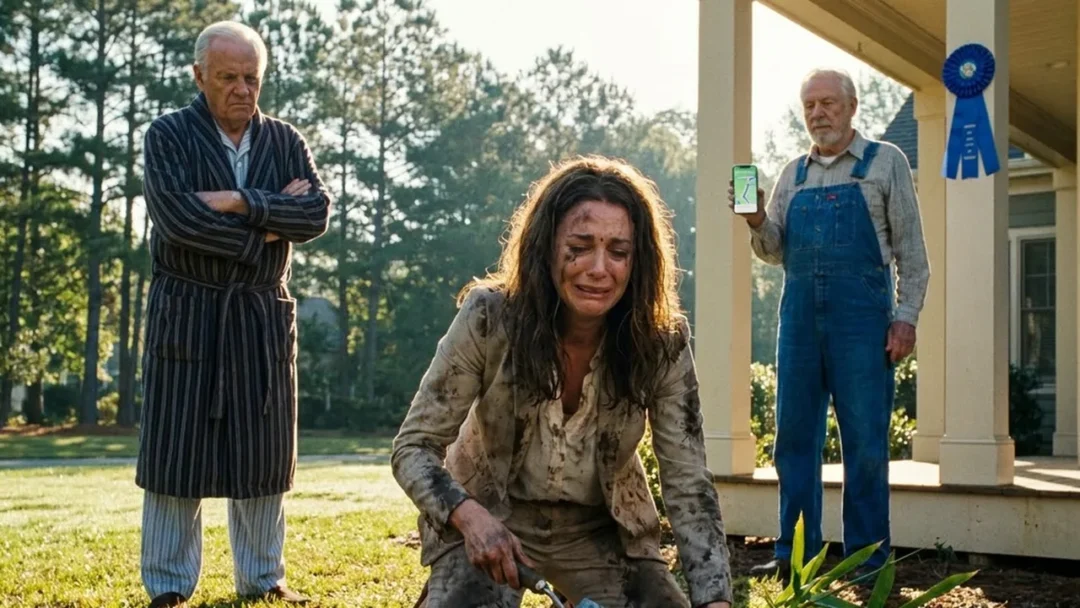
Karen Whitmore had finally finished her ordeal. Covered from head to waist in black compost, damp red clay, and perspiration, she had been formally handed three citations by Deputy Evans: one for misdemeanor larceny, one for criminal trespass, and one for intentional property destruction. Before the deputy departed, Margaret Calhoun had handed Karen an official HOA board declaration: a six-thousand-dollar mandatory fine to fund professional turf remediation, combined with a permanent, lifetime ban from serving on any community committee.
Karen had fled into her house in absolute disgrace, her curtains remaining drawn, her social reign terminated in an instant of digital clarity. By two o’clock, screenshots of the incident had been shared across the Whispering Pines community message board, accompanied by high-resolution photographs of the mud-soaked socialite clawing through the dirt while the tracking tag chimed from the roots. Her carefully curated online following vanished in an avalanche of scathing comments and unfollows; her committee privileges were officially revoked; and her husband Jim had already contacted a local real estate agent to place a discreet listing on their property before the autumn ended.
Across the street, on Harold Henderson’s sunlit front porch, a very different scene was unfolding.
Margaret Calhoun stood on the clean brick walkway, accompanied by three other members of the HOA board. In her hands, Margaret carefully carried the five-gallon nursery pot, completely intact, its rare variegated bamboo shoots washed clean and standing proud in their original soil.
“Harold,” Margaret said, her voice thick with genuine humility and respect. “On behalf of the entire community, I want to offer our deepest, most sincere apologies. We allowed arrogance and noisy complaints to cloud our judgment. Your patience, your dignity, and your extraordinary craftsmanship represent the very best of this neighborhood.”
Margaret stepped onto the porch steps, took the royal blue Yard of the Month rosette ribbon from its lower bracket, and carefully remounted it at the very top of Harold’s main cedar column, directly beneath the American flag.
“The board has voted unanimously,” Margaret announced with a warm smile. “The Yard of the Month ribbon will remain permanently on your home for the rest of the year. Furthermore, at our upcoming annual meeting, the board will formally amend the community architectural bylaws to establish a protected sanctuary designation for native and research plantings, ensuring that genuine horticultural craftsmanship is permanently celebrated and protected in Whispering Pines. You have taught us all a profound lesson today, Harold—about our soil, about our neighbors, and about the true character of this community.” And the community association is commissioning you to design an organic pollinator garden for the central neighborhood park, funded directly by the fines collected this morning.”
Harold smiled, taking off his canvas hat and holding it against his chest. “Thank you, Margaret. Soil has a way of working things out if you give it time and treat it right.”
When the neighbors had dispersed and the quiet rhythm of the afternoon returned to Whispering Pines, Harold carried his dwarf bamboo specimen back to his rear deck. The afternoon sun cast long, amber shadows across his perennial beds, illuminating the purple blooms of his native asters and the golden plumes of his ornamental grasses. The garden hummed with the gentle activity of honeybees collecting the last nectar of summer. Harold sat in his weathered cedar rocking chair, his hands resting easily on the armrests, breathing in the clean, honest scent of pine straw and moist earth. He set the container on its cedar plant stand, checking the taproot with gentle, experienced fingers. The AirTag nestled safely in the center of the root ball was silent now, its work complete.
Harold picked up his brass watering can, filled it with fresh rainwater from his cedar cistern, and poured a slow, steady stream over the roots. The water soaked deep into the dark earth, nourishing the green shoots and sending a fresh, clean aroma of fertile soil into the afternoon breeze. He gently patted the mulch around the base of the stems, whispering a quiet word of gratitude to the resilient plant.
He looked out over his quiet garden, listening to the gentle whisper of the longleaf pines overhead.
People like Karen Whitmore believed that power was built on noise, intimidation, and manufactured appearances. They believed that money could buy social standing, that expensive turf could mask an empty heart, and that lies could crush the patient work of honest hands. Yet the soil, in its unhurried, quiet wisdom, always told the truth. Seeds grew where they were nurtured, weeds withered in the sun, and true honor—like the deep roots of a well-tended garden—remained unshakeable long after the storm had passed. But Harold knew the deeper, unshakeable truth of the earth: that a life rooted in honesty, patience, and quiet craftsmanship could withstand any storm, while pride and deceit would always be dug out of the dirt, exposed to the light of day.